
Pemagyalchen Tamang
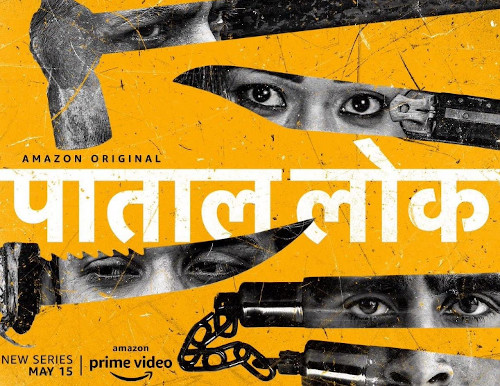
It has almost been six months since the Indian Web Series ‘Paatal Lok’ started streaming on Amazon Prime. With favourable reviews from critics and audiences alike, it became one of the most popular shows online during this pandemic. However, a certain scene from the series received heavy backlash, particularly from the Indian-Nepali community. A derogatory term was used and a clip from the said scene blew up on the internet. Blog-posts and social media feed were filled with heavy criticism against the makers of the show. A certain section of the community however did not feel that the scene was offensive. Whether it was offensive or not remains debatable, but this article will focus on this very point: can anything be put up to a debate in the ‘community’ of the ‘hills’?
While the popular opinion for the said scene was that it hurt the sentiments of the community and reminded them of racism that has been perpetuated in towards the Indian-Nepali community in India, which was rightly pointed out by Regina Gurung in a blog post that was heavily shared. Her post pointed out the misrepresentation of the community in hills in the Indian Film Industry and highlighted living experiences of people and particularly women, from the North-East. However, there were criticism towards her post, that while her post spoke of the condition and the realities of India for a North-East Indian, and in that for an Indian-Nepali, the case of Paatal Lok was different, that the series was not adding to, or glorifying this racism, but was instead highlighting it.
“There are digs taken at the series’s only ‘minority’ lead character as an off-hand remark, an objectionable word, or how people from ‘his community’ are increasingly getting into the Services these days…The idea of India as a secular country is torn apart, yes, but it is a neat cut…From the plight of journalism to the netherworld of hinterland politics…where upper-caste politicians visit Dalit homes with mineral water bottles and cooked food, Paatal Lok covers quite a bit of our life today. The incidents all through the series have all happened somewhere or other in this massive country of ours” (Bhatacharya)
Let us take Harper Lee’s To Kill a Mocking Bird as an example. This Pulitzer winning American classic was praised by the African-American community in spite of the presence of derogatory terms used against the community in the book. The racial slurs were important to highlight the racial inequality and racism that the African-American community were and are subjected to in America. Is Paatal Lok a similar case or is it different? This could be discussed but here lies the point of this article. When I personally raised the same argument to my acquaintances who shared the majority opinion that the makers needed to delete the scene or the show itself, in hopes of having a conversation, I was appalled by the reactions that came my way. Some were of the view that it was just ‘an opinion’, most had not watched the show, some did not have an opinion but just shared it because “it seemed like something wrong towards us” and some went on about racism as an issue and as a valid reason to ban the show. The common thing amongst all these responses was that most of them questioned my own pride and patronage towards my own community. Thinking and having an opinion with a strong argument based on facts instead of sentiments is considered anti-community; subjecting others to a different opinion that discusses the generational curses towards our community makes us anti-community. Curses, by which I mean our community not being able to come out of this cycle of failing to have civil discourses and debates, instead letting sentiments getting the best of us. Going outside of the hills for exposure, degrees and experience and coming back and using the same knowledge to bring change will attract sarcastic responses and taunts like “baira goyera thulo bhayecha” (someone seems to have grown up after leaving town), “bathey”, (canny) “intellectuals” and so on. My contrasting opinion which I consider valid had somehow erased all the racism and harassment that I have personally faced and am facing for being an India-Nepali in this country. This lack of critical thinking is the very reason why we as a community always have fallen for the baits of the governments that have come before us in our demands for Statehood. We fail to see things for how they are, we are easily swayed by our sentiments, and the Paatal Lok backlash is a prime example. Feigning complete comprehension on matters without competence seems to be a trend.

Here, I would like to tell my readers that my gender will not be able to fully do justice in writing about the layered harassment and racism against woman from the North-East and as such, I will refer to research scholar Marina Rai’s article on The Quint, ‘I am a Nepali Woman, But ‘Paatal Lok’ does not Offend me’ which gives us another Indian-Nepali daughter’s opinion on the matter. She says,
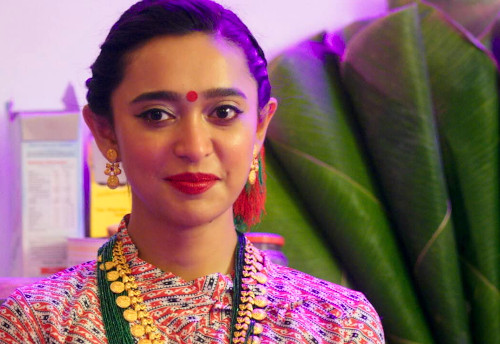
“There is a difference between the reference of our community in Paatal Lok and the misrepresentation that has happened in the past in several movies, advertisements etc…If one watches the entire series Paatal Lok, the story does not legitimize the abuse of the concerned character, rather one begins to empathise with the character and the difficulties and abuse they face by virtue of their ‘Mongoloid’ features, gender identity and work. So, the series makers’ intention to malign a community, as is argued by the protestors doesn’t seem appealing to me… I understand that for some people who are protesting against it have been genuinely offended by it as I had been earlier. However, I fail to understand how there is no mass opposition or outrage when such slurs are given in the real world, even within our community, in social media pages and other platforms in everyday lives. I remember during one of the Lok Sabha Elections in Darjeeling, how a particular female candidate’s past was exposed in a highly demeaning manner with photographs all over social media. I remember how the photos of the male political leaders were photo shopped to wearing sarees (and other clothes generally worn by women) to show how they are inefficient while belittling women in the same breath. And plenty of such derogatory and abusive comments are showered to photos where women are seen wearing ‘short’ or ‘revealing’ dresses. At the same time, sexist jokes are widely shared, enjoyed and normalised in open public sphere. And yes, I fail to understand why such cases or instances within our community are met with an eerie silence on part of the masses that are now outraged. Why don’t men of our community then show the same outrage and criticise the open misogyny, since now they seem to be the protectors of the ‘dignity’ for women of our community. Also, to further point out the contradiction, some people who are outraged by the word “Randi” being used for our community are giving the same slurs or even worse to the female producer of the series on social media platforms. Such slurs are also used by people in their everyday lives at home, at work or at public places. This begs the question, is the main concern really about racism and gender justice or simply to massage their fragile male egos? So, is there an answer to this hypocrisy? Hence, I am not offended by the series Paatal Lok. I would rather feel offended by patriarchy, misogyny, moral policing, and racism we face in everyday lives. Shooting the messenger is the last thing we should be doing.”
The responses to the article from the hill community further proves everything she says. Misogynist slurs and threats, both verbal and physical, have been subjected her way. In fact the term used in the series was thrown at her. The presence of backlash against the slur used in a web series and the absence of backlash against slurs used against an Indian Nepali woman in real life is telling. Why are we hurt? Why do we stay silent and to a certain extent perpetuate all the misogyny and sexism in our daily lives and not call them out, and instead call out the film makers who have made a show to highlight the problematic othering(s) in this country. “She must be from the same category” and “She must be madly in love with madhisay” were some of the comments. This hypocrisy has been further highlighted and talked about by Malavika Pradhan, Dawa Lhamu Sherpa, Shradha T K Lama in the article [Paatal Lok] Hegemonic Gorkha Masculinities and Anxieties on Raiot where you can also find the comments Rai was subjected too. I would like to touch upon something that I was reminded of from one of the words used against Rai– ‘Madhisay’. This comment highlights the racism that is within our own community. Is it convenient for us to use racist terms ourselves and practice it, while on the other hand get vocal about the racism happening against us?
It is in these small questions where I conclude this simple piece. This article was not to bring out the opposing views on the subject matter. It is to bring out the issue of tolerance and critical thinking, more so, the lack of it. A month after the release of the movie ‘Axone’, hailed by our community for depicting racism in India towards North-East Indians, we somehow yet again failed to see the not so subtle misrepresentation of our Indian-Nepali community. The same people who were sharing blogs, about how there are lack of representation of North-Eastern population in Indian movies (in the blog post mentioned in the first paragraph: Mary Kom played by someone with different facial features), went on to praise Axone and adjust with the fact that the singular Indian-Nepali character in the movie was played by someone who did not belong to the Indian-Nepali community, and with it came the over compensating ‘accent’ and misrepresentations. Moreover, the character [by surname] was supposed to look mongoloid, the actor playing her clearly was not. ‘For a long time, the representation of Nepalis as ‘bahadurs’, ‘chowkidars’ and Nepali women as prostitutes in popular culture and fiction, such as Kiran Desai’s The Inheritence of Loss and Arvind Adiga’s White Tiger, have contributed to strengthening this racial stereotyping’ (Tamang). The film adaptation of White Tiger is under production and it would be interesting to see the representation and the reactions for the same. The questions however remain, are we as a community capable of thinking critically? Can we attempt to form a civilised society where caste, colour, racism, misogyny, homophobia and so on are addressed? Do we welcome contrasting views away from the influence of our sentiments and emotions, in that we have nuanced opinions, or do we want to be a community that puts their own people under scrutiny and harassment for making logical arguments? Are we truly passionate about the things we so loudly talk about on social media because if that is the case why do we fall silent or get aggressive when some one opposes our views. Ignoring necessary conversations with some one with a different view, lack of factual arguments on issues, and getting swayed by other people’s opinions and sentimental rhetoric has led us to lose opportunities to grow, learn, and unlearn as individuals and as a community.
[The law firm representing the makers of Paatal Lok in response to a legal notice regarding the depiction of the Nepali community in the series, said that the makers respect the community and that the dialogue has been taken out of context]

Pemagyalchen Tamang is a literature student from Jadavpur University, and is working on translation of Nepali texts.
 THE KAKU