
In Ruprekha’s 233rd issue, a short story written by I. B. Rai titled ‘Ghasisanga’ was published. Shortly after, he received a letter from Parijat:
19th November 1980.
Naya Bazar.
I. B. jiu,
I’ve fared well, and have come. In praising your genius, I didn’t get exhausted. After having read your new (in perspective) short story Ghasisanga in Ruprekha, I was quite eager to pen a letter and talk about it with you. It is only today when I got that opportunity. Kheer and the aforementioned story could be bundled among your most powerful stories. We shall discuss this story in-depth someday. A meeting between a grass-cutter and a poet of today’s age would really be as it has been described. The grass-cutter is our populace, he says “the well doesn’t have to be made”. If needed, the people will make it themselves. Development and change are matters decided by the people. Anything erected in the name of someone will be unacceptable to the people. History is a product of the populace.
Reading the story was like watching it in a theatre. Dry and withered hands of the grass-cutter engaged in his work flashed before my eyes. The objective reality that has been illustrated conforms to the Darjeeling type, or the grass-cutters out there should be like that, the grass-cutters over here are different. The illustration was lifelike and successful. Going uphill on a cliff unpaved with only shrubs to grasp, it is the competence of the grass-cutter, the character of the proletariat. A poet will not be able to do that, it doesn’t fall under the dominion of an intellectual.
There could be many writings on the story itself, perhaps the flow of time will ensure that it is done. But there is one thing I have to tell you, I will be restless if left unsaid– “now onwards, do not let your heart sway in every direction, write stories like these” (pleading pardon).
Your narration of Rangerung in the Rungdung valley tore open and flared old wounds. This was how it affected me, in a manner too personal. Now, I hope in anticipation of the inclusion of a new dimension to a story. Readers should be able to experience disillusion with stories such as Hami Jastain Mainaki Aama, Kaju Badaam, and others. In reality, what are they but intellectual fraudulence?
That is all, modern Bhanubhakta-ji.
I wait in anticipation for your answers, kindly indulge me so that I am not afflicted with torment. Greed engulfs me when it involves procuring information about your literary perspectives. You must be aware of the political situation over here, the atmosphere will remain tense.
Congratulations.
Parijat
Sheeth Lama,
‘Saarjaydeem’,
Naya Bazar,
Kathmandu, Nepal.
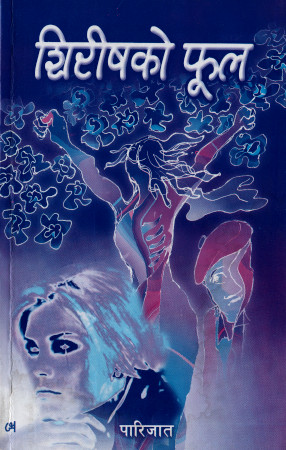
He replied:
15/1 Tungsung Road,
Darjeeling.
8th December 1980.
Miss Parijat,
Kathmandu.
Dear Sister,
In receiving your letter, I was pleased. I will also admit that I was a bit alarmed after reading it, the reason being that before I could answer in agreement or disagreement to the questions you have raised in the letter, I had to contemplate to a greater extent. Your letter has forced me to contemplate.
In the Purvanchal region of India, Nepalis are being forcefully rendered homeless and in turn are coming here, should I focus on literary art?– conscious dictated me to continually work and that is how Ghasisanga was written. While working to protect Indian Nepalis, I will write if I have some spare time.
Sister, I am a public worker, and an author whose manner of writing is personal. It is like having two disconnected personalities within me (currently you don’t have that disjunction)– and in order to bring (literary) harmony to myselves, I’ve started to ponder over a principle. I shall engage with the grass-cutter once more in the pages of Ruprekha.
I’m thinking of coming to Kathmandu. When I do, I will definitely visit you (sister).
Fondly: Indra Bahadur Rai
This correspondence was republished in Indra Sampurna. It has been translated and published with permission from the editors.
 THE KAKU