K.W. Lama
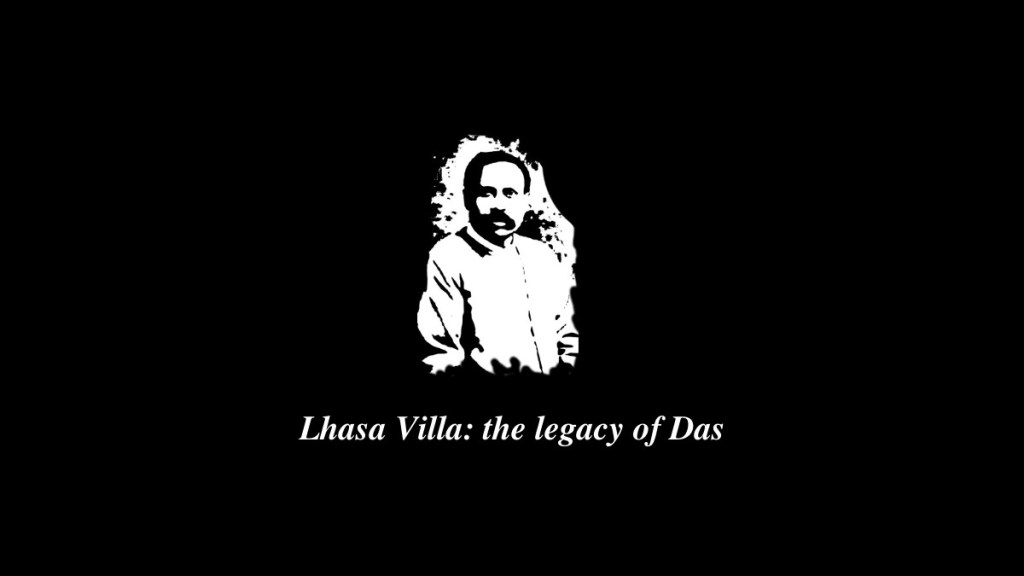
Two kilometres south of Darjeeling town, just below NH 55 Tenzing Norgay Road is a fairly large village called Lhasa Villa. The word ‘villa’ might surprise you until you realize that the village has actually adopted the name of a house which hosted one of its most famous sons. Lhasa Villa was the name of the cottage which housed Sarat Chandra Das– explorer and distinguished scholar who was once synonymous with Darjeeling. The first we hear of Das was in 1874 when he was appointed headmaster of the Bhutia Boarding School (later converted into Darjeeling Government High School in the year 1892).
Sarat Chandra Das was born in 1849 in Chittagong of undivided Bengal, now in Bangladesh. Sarat Chandra was an explorer, linguist, lexicographer, ethnographer and one of the greatest Tibetologist the world has ever seen. Sarat Chandra Das studied Civil Engineering in Calcutta’s Presidency College but could not appear for the exams probably because he suffered from malaria. Das missed his exams and the government took the opportunity to appoint him as the Headmaster of Bhutia Boarding School in Darjeeling. Hoping that the change in weather would help him recover his health. Das eventually left for Darjeeling, making it to the hill station on a train, steamer, bullock cart and even ponies.
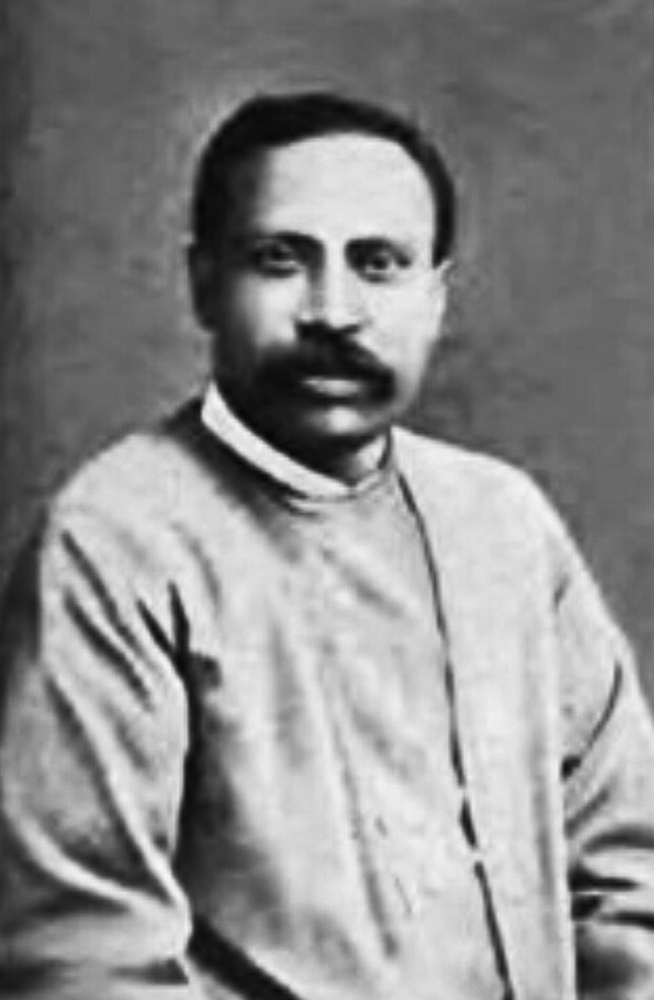
Sarat Chandra commenced the school with a handful of Tibetan and Sikkimese boys, but having no knowledge of the local dialects and languages, lessons were conducted in sign language. He took the help of a young Lama who knew the English Language, It may be mentioned here that the post of Head Lama, Second Lama were created then to teach Tibetan Language in the school. The post of these Lamas are still there in the school and are now known as Tibetan Teachers.
“having no knowledge of the local dialects and languages, lessons were conducted in sign language”
Das struggled to teach the rudiments of modern education to the students and realized that without the knowledge of the Tibetan Language, he would not make real progress. So he started learning the Tibetan Language. Soon his progress and proficiency in the knowledge earned him a reward of three hundred rupees from the Lieutenant Governor of Bengal. Das now decided to visit Tibet to broaden his knowledge as well as to explore the unknown trails of Tibet but the British authorities denied him the permission to visit Tibet. In the meanwhile Das was appointed Deputy Inspector of Schools for British Sikkim. Das interpreted this as permission to go beyond Sikkim and into Tibet. He made his first visit to Tibet in June 1879. It was a journey which extended to six months. He made a second visit in 1881 for an extended stay of fourteen months. He brought back with him more than two hundred volumes of manuscripts and block prints, some of which were works in Sanskrit which had been lost in India for many centuries.
“British authorities denied him the permission to visit Tibet. In the meanwhile Das was appointed Deputy Inspector of Schools for British Sikkim. Das interpreted this as permission to go beyond Sikkim and into Tibet.”
Sarat Chandra Das was given the title of Rai Bahadur, a Companion of the Order of the India Empire, and in 1886 he won the Marguess of Dufferin and Ava’s Silver Medal. The Royal Geographical Society awarded him the Back Premium for his geographical research in 1887.
After returning to Darjeeling, he spent the remainder of his life translating Tibetan texts, working on the history, religion, ethnology and folklore of Tibet. The reports of his journeys can be found in his books entitled Journey to Lhasa and Central Tibet and Journey Round Lake Yamdok. He wrote a Tibetan-Sanskrit-English Dictionary which is still being used extensively. He even named his house in Darjeeling “Lhasa Villa” in memory of the land he visited and loved. The villa stills stands, but surprisingly and unfortunately, the residents of the village Lhasa Villa have forgotten all his legacy.
“He brought back with him more than two hundred volumes of manuscripts and block prints, some of which were works in Sanskrit which had been lost in India for many centuries.”
References:
1. The Statesman Newspaper (N.B. Plus)
2. Himalaya Darpan (Nepali newspaper)
3. Darjeeling Govt. High School Library Records

K.W. Lama retired as the Asst. Headmaster of Darjeeling Government High School.
The article was originally published in the Quasquicentennial Souvenir of Darjeeling Government High School. It has been republished here with permission from the editors.
 THE KAKU